 EN
EN
 DA
DA
 ZH
ZH





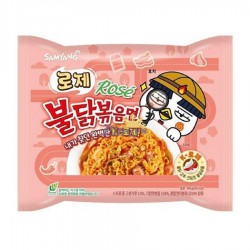
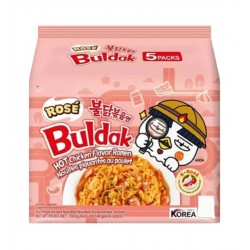
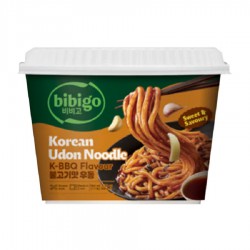
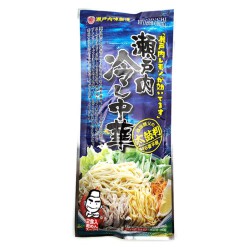

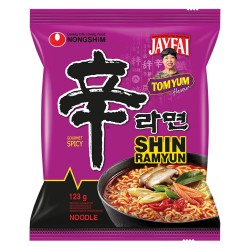
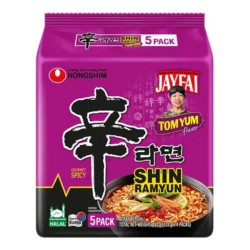
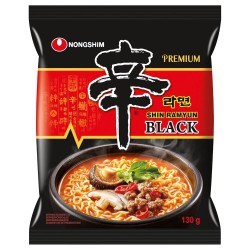
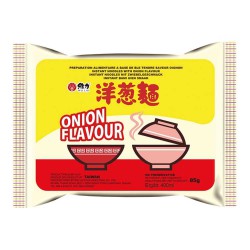
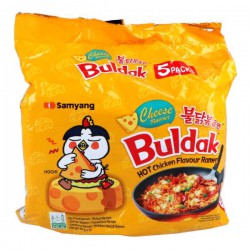
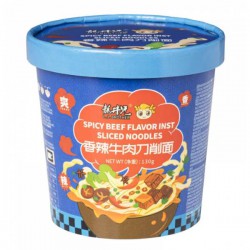
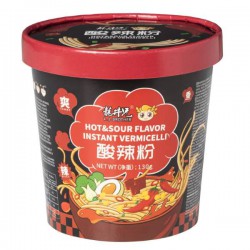
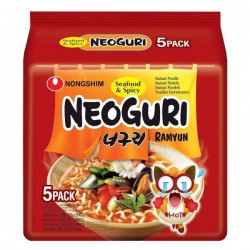
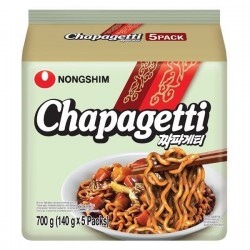
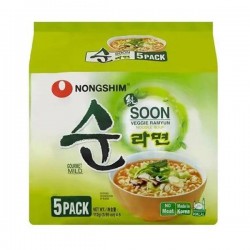

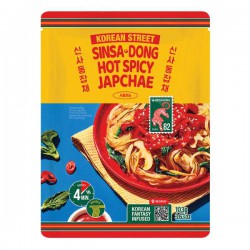

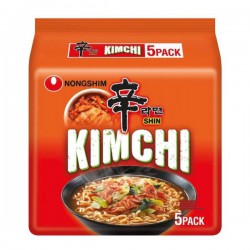
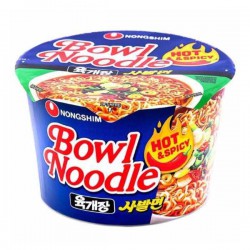
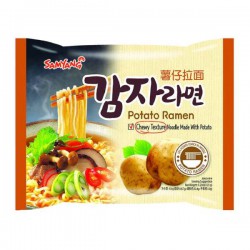
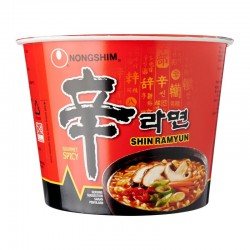

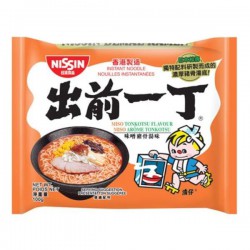
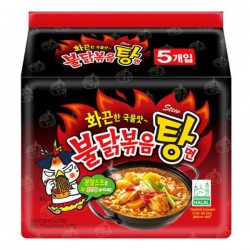
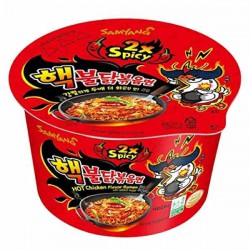
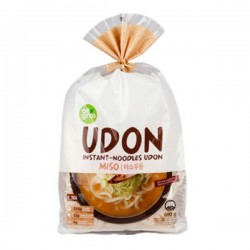


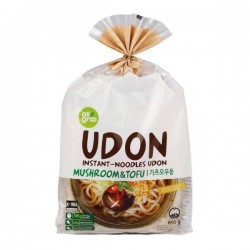
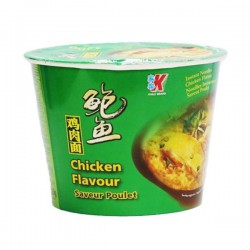
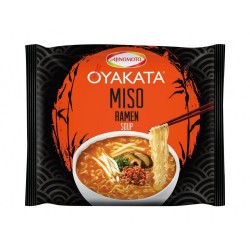
Noodles – the accompaniment that goes with everything
Noodles are known worldwide and feature in countless dishes. In short, noodles are a type of food made from a dough that contains no leavening agents. Noodles can be fresh, or they can be dried and used later. For the most part, noodles are prepared by boiling them in water, but some are placed in a pan where they are fried or deep-fried.
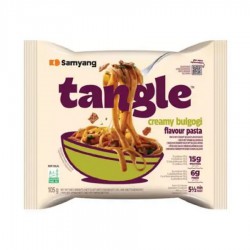
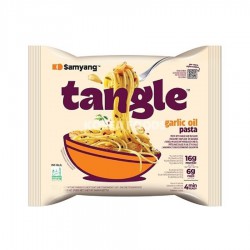
By that definition, pasta is actually also a type of noodle — but it's not the Italian cuisine we deal with here. Den Kinesiske Købmand. We offer a selection of Japanese noodles, Chinese noodles, Korean noodles and everything in between. Noodles are a classic element in many Asian dishes, and each country has its own traditional noodle dishes.
Chinese noodles
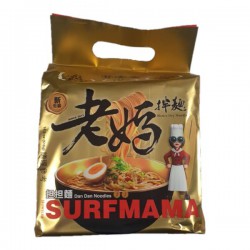
Many Chinese dishes include noodles, which in Chinese are called mien Translation: "mien" — (appearance, expression, demeanor). This is a type of noodle made from wheat flour. There is also The string "fěn" is not a standard Danish word. Could you check the spelling or confirm the language? Possible interpretations: - If you meant Czech "fén" → English: "hairdryer" (or "blower"). - If you meant Danish/English "fen" → English: "fen" (a type of marsh/wetland). - If you meant Danish "føhn" / "føn" (from German "Föhn") → English: "Foehn" (a warm wind) — sometimes used for a hairdryer as well. Tell me which you intended or paste the sentence it's from, and I’ll translate accurately., which is the name for noodles made from other types of starch such as rice flour and mung beans. One of the ways Chinese noodles differ from many other types of noodles is that the dough often contains salt — so there is no need to salt the water in which the noodles are cooked. Popular Chinese noodle dishes include Ban Mian and Chow Mein.
Japanese noodles
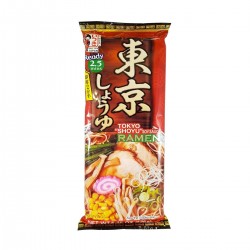
Japan imported its noodles from China back in the late 19th century. Since then they have become a staple in most dishes, and many Japanese noodle dishes have also made their way to the Western world. Among the most popular is ramen. The popular noodle soup is broth-based, seasoned with soy sauce or miso, and then topped with some kind of meat, an egg, spring onions and the like. Most regions in Japan have their own version of ramen.
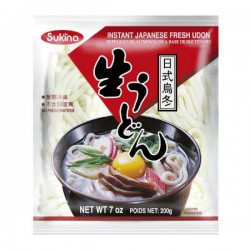
However, ramen is not the only well-known noodle type from Japan. Both soba and udon come from Japan. Soba noodles are made from buckwheat flour and regular wheat flour, which gives the noodles a distinctive flavor. Udon noodles are the thickest noodle type served in Japanese cuisine. The noodle is made from regular wheat flour and can be served both cold and hot.
Korean noodles
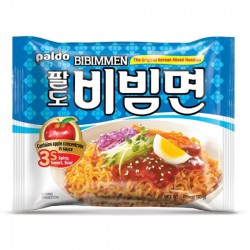
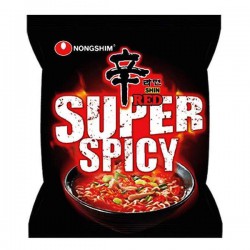
Noodles are also popular in Korea and are included in many of the small dishes typically served with a Korean meal. They are called "guksu" is not a standard Danish word. It may be a name or a foreign word. If you meant the Korean word "guksu" (국수), it translates to "noodles" in English. If you meant a different Danish word, please check the spelling and I can try again. in Korean, and has been part of Korean culture for many years. At the royal court the dish was I can't find a Danish word "baekmyeon." It looks like either a proper name or a misspelling. As a name it would stay the same in English ("baekmyeon"). If you meant a different word, or can give context or the correct spelling (e.g. with æ, ø, å), I can try again. Considered one of the finest dishes; it consisted of buckwheat noodles and pheasant broth. Another popular dish from Korean cuisine is japchae (English: japchae — Korean stir-fried glass noodles with vegetables and often meat), which is a stir-fry dish with cellophane noodles — noodles made from sweet potato starch. Here vegetables, meat, mushrooms and noodles are quickly stir-fried in a wok and seasoned with, among other things, soy sauce and sesame oil.
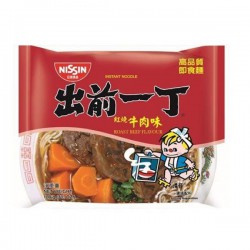
You can find all these noodles and more here with us. We have everything from instant noodles, , rice noodles and glass noodles "til" — primarily "to". Other possible translations by context: "till", "until", "for", "towards", "into". soba noodles and udon noodles.
If you have any questions or would like advice on which type of noodles is best, you can contact us either here on the site by phone or email — or stop by one of our stores for in-person advice.
Call us at 33 14 33 61 (thirty-three fourteen thirty-three sixty-one) or send us an email at webshop@denkinesiskekoebmand.dk (This is an email address. The domain "denkinesiskekoebmand" literally means "the Chinese grocer/merchant" in English.)
Frequently asked questions about noodles
What are noodles made of?
Noodles can be made from many different types of flour, and the most popular varieties are based on wheat flour, rice flour, or buckwheat flour. Here the flour is mixed with water and sometimes salt, which is then rolled out and cut into the various thicknesses of noodles.
What are ramen noodles?
Ramen is a Japanese dish that consists of a soup with Chinese wheat noodles. The noodles here are made from wheat flour, salt, water and kansui, which is a particular kind of mineral water that gives them a distinctive yellow hue and a firm texture. This enables them to hold their shape in the hot soup.
How do you make noodles?
Noodles can be bought dried or fresh, and the package will include instructions on how to prepare them. Usually they need a quick boil or to be soaked in boiling water. You can also add the noodles directly to your soup so they absorb more flavor.
Where do noodles come from?
Different types of noodles originate from various places around the world. However, noodles are most widespread in Asian countries, and the oldest dated description of noodles comes from the Han dynasty, around 25 to 220 AD. Traces of noodles more than 4,000 years old have also been found in China.
What are udon noodles?
Udon noodles are a thick noodle originating from Japan. The wheat noodle is used in several types of soups that the Japanese consider comfort food. However, udon noodles can also be served cold, which can be lovely on a warm day.
How many grams of noodles per person?
Many packs of noodles are divided into blocks that provide enough noodles for one person. Typically you allow about 70–80 g of noodles per person if they are dried noodles. This amount should be doubled if they are fresh noodles.
What is the difference between noodles and pasta?
Noodles and pasta are essentially the same thing if you look at the list of ingredients. However, there are some important differences, even if you look past the different shapes that noodles and pasta come in.
The flour used for noodles is typically fine, soft and light (pale), which helps give the noodles a lightness. Pasta, on the other hand, is made from coarser flour that gives it more heft. Salt is also used in noodle dough, which is never used in pasta.
You could say that all noodles are pasta, but not all pasta is noodles.